Caring for the Heart and Brain: A New Model for Babies With CHD
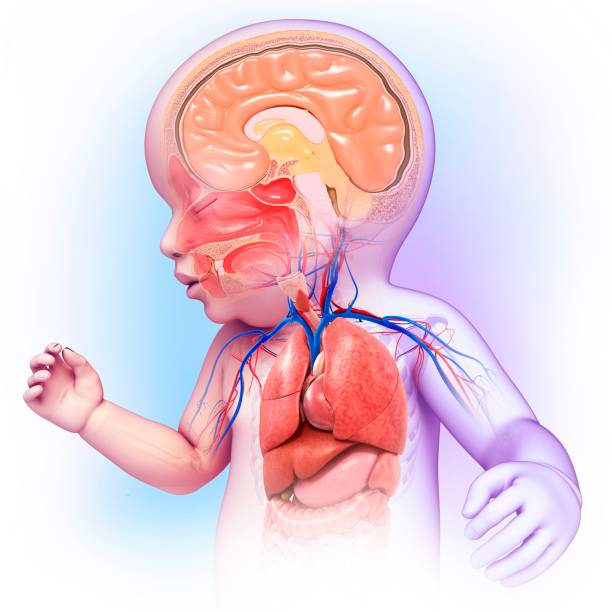
Over the past few decades, advances in surgical techniques and medical care have greatly improved survival rates for infants born with complex congenital heart disease (CHD). As these patients began reaching their childhood years and beyond, clinicians at UCSF Benioff Children’s Hospitals observed an emerging pattern: A significant proportion were experiencing neurodevelopmental differences.
Studying the heart-brain connection
“We began studying how CHD could affect brain development, first in newborns and then in utero,” explains Shabnam Peyvandi, MD, Director of the Pediatric Cardiovascular Research Program. “Our research revealed that these developmental differences likely originate very early, sometimes before birth. We also knew that optimizing neurodevelopmental outcomes required attention and intervention, starting in the prenatal period.”
In 2025, the team led a longitudinal fetal MRI study describing the link between fetal brain growth and developmental outcomes in babies with hypoplastic left heart syndrome (HLHS) and d-transposition of the great arteries (d-TGA). "The study found an independent association between fetal brain growth and language outcomes in toddler years," says Dr. Peyvandi. "These findings informed our care model, highlighting the need to address these issues early before birth."
Dr. Peyvandi also co-authored a review that identified modifiable risk factors for neurodevelopmental impairment in the CHD population. “We are confident that further research on neuroprotective interventions can greatly improve the quality of life for CHD patients,” she says.
Groundbreaking research reinforces necessity of a comprehensive care model
This pioneering research helped inform the developmental components of the Neonatal Cardiovascular Center of Excellence at UCSF Benioff Children’s Hospitals. The program delivers leading-edge cardiac and developmental care within a single, multidisciplinary model.
“Our ongoing research in this area will continue to refine the clinical program in the years to come,” says Dr. Peyvandi. “We’re among the few in the country employing this level of expertise and research integration to improve the health of babies with CHD.”
Holistic care from prenatal diagnosis through long-term follow-up
Experts at UCSF Benioff Children’s Hospitals realized that intervention should start as early as possible for infants with CHD. “We begin supporting the family and planning for their baby’s care as soon as we have a diagnosis,” says Dr. Peyvandi. “After they outgrow pediatric care, we facilitate a seamless transition to adult care at UCSF Health.”
Families benefit from a multidisciplinary team that includes fetal cardiologists and cardiac intensivists with highly specialized knowledge in neonatology and cardiac intensive care. These specialists work closely with maternal-fetal medicine specialists, genetic counselors, nurses, nutritionists, social workers and therapists.
The cardiovascular team partners with the renowned Fetal Treatment Center, a world leader in fetal care, to provide advanced treatment. “Our cardiac experts collaborate with Fetal Treatment Center specialists to care for the full range of fetal conditions,” Dr. Peyvandi says. “Patients benefit from the expertise of several different types of specialists in one place. Experts in this program pioneered many of today’s widely used fetal surgeries.”
“Together, we engage the family and explain their baby’s cardiac and neurodevelopmental needs,” Dr. Peyvandi says. “Families receive comprehensive counseling and may be offered advanced genetic testing, such as whole genome sequencing, as well as access to clinical trials and novel research opportunities.”
Specially trained nurses proactively discuss lactation and mental health support with expectant parents. “We focus on helping parents-to-be feel prepared and supported before birth,” Dr. Peyvandi says. “They gain a sense of empowerment in a situation that may feel stressful and uncertain.”
Seamless transition to postnatal care
After the baby arrives, nursing staff provide developmental care at the bedside through the GRAND (Growth and Neurodevelopment) Program. When needed, physical and occupational therapists, neurologists and other specialists offer additional assistance.
GRAND encourages and supports parental involvement, helping parents feel comfortable holding, feeding and even reading to their baby. “These seemingly small, everyday interactions and activities can improve outcomes for the baby and boost well-being for parents,” says Dr. Peyvandi.
Creating a calming environment
Within the pediatric cardiac intensive care unit, a dedicated wing focuses on helping the tiniest patients feel secure and at ease. The NEST (Nurturing Environment for Small hearTs) Program delivers science-backed interventions to optimize a baby’s surroundings.
“Factors such as light cycling, noise reduction and individualized positioning reduce stress on babies and families,” says Dr. Peyvandi. “These elements create a foundation for physical recovery and developmental progress.”
Ongoing developmental support
After babies graduate from the NICU and go home, they continue to receive neurodevelopmental care. The Healthy Hearts and Minds program offers long-term follow-up for CHD patients, from infancy through adolescence. The team focuses on early identification and intervention for developmental differences, helping children reach their full potential.
“Children receive regular developmental evaluations, and we discuss the findings with families,” says Dr. Peyvandi. “The program also acts as a liaison between families and schools, advocating for necessary accommodations.”
Lifetime care for hearts and minds
The combination of surgical excellence, holistic developmental care and family-centered support distinguishes the program at UCSF Benioff Children’s Hospitals. This comprehensive approach goes beyond traditional medical care for children with CHD.
“What makes this program exceptional is our team’s commitment to ongoing care for the child and family,” says Dr. Peyvandi. “We continue to partner with them after their baby leaves the hospital, supporting developmental needs and helping families acquire resources to help their child succeed.”
To refer a patient to the Neonatal Cardiovascular Center of Excellence, visit our referral page or call (877) 822-4453.